Showing posts with label Cult of Occult. Show all posts

Sunday, 26 April 2026

THE NEW FLESH INDEX 🩸 Artists That Defined My Week #16 Friday, April 10th to Thursday, April 16th, 2026


This edition covers my listening from April 10th to April 16th, 2026 and unfortunately, I am posting this up a week late because life sometime has a habit of kicking you in the ass.  Anyway, following on from last week, the same theme continues  through: I just didn’t feel I was living with the music long enough. For me, the rinse and repeat nature of listening to new albums each and every day resulted in too much movement, too much skipping and Week #15 corrected that. So, this week was about committing to it.  Instead of jumping between releases, I treated new albums as entry points. If something held, I stopped there and worked backwards. Full catalogues. Full albums. Repetition. Resulting in two artists that would define this week.

 At a glance, the numbers expanded. I listened to 34 artists, a 580% increase from last week, but most of them were brief checks that didn’t last. Total listening reached 2 days, 3 hours (up 185%). Average daily plays rose to 62 (up 94%), peaking on April 16th with 94 plays. Longer sessions with each artist replaced constant switching. Albums were allowed to run properly.

Two new albums triggered it: Inferi Heaven Wept and Cult of Occult I Have No Name. Both held my attention under repetition, which made it pointless to stop there. Those records totally worked for me, so the rest of each catalogue needed proper time.

Inferi drew most of my attention during the week, with 245 plays across a six‑album back‑catalogue run. Rather than picking tracks, I kept running full records. Heaven Wept led with 69 plays, followed by Vile Genesis at 54. From there it tightened: The End of an Era at 38, Revenant and The Path of Apotheosis at 35, with Divinity In War at 8.

Cult of Occult sat alongside them, their five‑album discography getting the same treatment. I Have No Name led at 38 plays, followed by Hic Est Domus Diaboli (13), Five Degrees of Insanity (10), Anti Life (7), and the self‑titled album (6).

Compared to last week, the difference isn’t scale, it’s depth. New music still matters, but at this point, only as a trigger. Once something holds, the listening moves backward, not onward. 


 Artists that Defined my Week

1).

⚔️ Artist: Inferi (245 plays)
🩸  New Title: Heaven Wept
⚔️ Genre/tags: technical death metal, melodic death metal

Inferi — Albums ranked

6). Divinity In War (2007) (8 plays)
5). Revenant (2018) (35 plays)
5). The Path of Apotheosis (2014) (35 plays)
3). The End of an Era (2009) (38 plays)
2). Vile Genesis (2021) (54 plays)
1). Heaven Wept (2026) (69 plays)


Formed in 2005 in Nashville, Tennessee, Inferi — not to be confused with the Finnish melodic death metal band of the same name — are, at their core, a death metal band. If you want to be more precise, they operate in a tightly controlled space between technical death metal, melodic death metal, and blackened extremity, combining brutality with imagination and discipline rather than chaos.

They are a band that are completely new to me. When I pressed play on Heaven Wept, I was immediately struck by how addictive it was. Not just impressive on first pass, but something that tightened its grip with repetition. That reaction alone justified a full dive into their back catalogue — and importantly, I focused only on the band’s full‑length albums, avoiding EPs and side material in order to trace a clean creative arc.

At the centre of Inferi’s identity is Malcolm Pugh — guitarist, bassist, lyricist, and the band’s creative constant. Despite lineup changes over the years, his presence gives the discography a strong through‑line, allowing the band to evolve without losing cohesion.

Working chronologically, the early records are blunt, aggressive, and more overtly brutal. Divinity in War (2007) introduces the band in a relatively raw form — muscular, direct, and unapologetically old‑school in spirit. The emphasis is on momentum rather than nuance. It’s effective, but clearly the starting point rather than the destination.

With The End of an Era (2009), ambition increases noticeably. Songs become longer, more layered, and more structurally complex. There’s a clear desire to push beyond genre norms, even if the execution occasionally tips into excess. This album also stands out as the only full‑length in their catalogue to feature an instrumental track, and later events suggest the band themselves felt it didn’t fully capture their intentions — a sentiment reinforced by the decision to revisit the material in The End of an Era | Rebirth (2019).

The Path of Apotheosis (2014) is where Inferi’s identity truly locks into place. This album marks a decisive leap forward in songwriting and production. The introduction of symphonic elements here is a genuine masterstroke — not decorative, but structural. Orchestration sits inside the riffs rather than floating above them, syncing tightly with Morbid Angel‑influenced chugging and intricate guitar work. Vocals operate in layered call‑and‑response patterns, blending guttural death growls with sharper blackened textures. Even at this stage, Inferi are demonstrating an ability to balance density with control.

The bass tone across the catalogue deserves mention: boomy and full, but never overpowering the mix. It reinforces weight without muddying clarity — a recurring strength that becomes more pronounced on later releases.

Revenant (2018) is often cited as a high‑water mark, and with good reason. From its almost cinematic opening — reminiscent of a Danny Elfman‑style descent into darkness — the album unleashes unrestrained brutality while maintaining compositional discipline. Symphonic elements are used cinematically, building tension like a film score before detonating into violence. There are moments that feel closer to Lord of the Rings than traditional death metal — orchestration swelling to heighten drama rather than soften impact.

By The End of an Era | Rebirth (2019), the band’s modern era begins in earnest. This re‑recording isn’t an exercise in nostalgia; it reframes early ambition with newfound precision. Crucially, this release marks the arrival of Stevie Boiser on vocals, a change that would define everything that followed. From this point on, Inferi’s vocal identity finally feels fully embedded in the music rather than interchangeable.

The next major leap comes with Vile Genesis (2021). This is refinement over reinvention. The album is disciplined, deliberate, and remarkably consistent. Moments where the band drops tempo are especially effective — tension builds through restraint rather than constant velocity. The opener stands out for its contrast, with piano and soft vibrato leads easing the listener into the record before the brutality hits. Compared to Heaven Wept, the drums here sound slightly drier and more mechanical, but the overall impact remains immense.

If Vile Genesis has a limitation, it’s that it feels like a band still circling their creative peak rather than fully arriving at it. The brutality and technicality are undeniable, but there’s a sense of potential still being shaped.

That potential fully crystallises on Heaven Wept (2026). This album feels like the convergence point of everything Inferi have been building toward. The production is more organic, the runtime leaner, and the songwriting more economical. Atmospherics and symphonic layers are used sparingly but precisely — on tracks like Eternally Lie, subtle keys and orchestral touches add depth without overwhelming the mix. Choir elements and layered guitars create a lush, almost orchestral soundscape, closer in spirit to S&M-era Metallica than bombastic symphonic metal.

Equally important is the rhythm section. With Spencer Moore now firmly behind the kit, Inferi’s technical ceiling rises without compromising songcraft. While drum triggers are standard in modern metal, the execution here is exemplary — the snare in particular is clean, punchy, and aggressive without sounding artificial. Moore’s playing is precise, powerful, and restrained when it needs to be, tightening the band’s entire foundation.

From Rebirth onward — through Vile Genesis and Heaven WeptInferi sound fully assembled. Vocals, drums, orchestration, and songwriting finally move as a single system rather than competing elements.

Looking across the full‑length catalogue as a whole, the arc is clear. Early albums are ambitious but occasionally bloated; later releases adopt a “less is more” philosophy that sharpens impact without sacrificing intensity. As runtimes shorten, focus increases. What once felt like endurance becomes immersion.

Inferi reward listeners who stop moving and stay put. Their music isn’t about standout singles or novelty spikes — it’s about structural reliability. Albums that continue to hold as familiarity sets in.

This deep dive cemented them not just as a strong discovery, but as one of my favourite death metal bands outright. And while I know not everyone wants repeated discography excavations, this is a case where staying put revealed far more than moving on ever could.


2)

⚔️ Artist: Cult of Occult (74 plays)
🩸  New Title: I Have No Name
⚔️ Genre/tags: sludge metal, doom metal

Cult of Occult — Albums ranked

5). Cult of Occult (2012) (6 plays)
4). Anti Life (2018) (7 plays)
3). Five Degrees of Insanity (2016) (10 plays)
2). Hic Est Domus Diaboli (2013) (13 plays)
1). I Have No Name (2026) (38 plays)


Cult of Occult are, without question, one of the bleakest and most viscerally extreme doom acts operating today. Their music doesn’t simply aim to be heavy; it exists to suffocate, to deny momentum, and to grind away at any sense of release. Having only recently committed to a full dive into their full‑length albums, what becomes immediately apparent is how deliberate their evolution has been. Each record sheds another layer of skin, stripping away groove, identity, and comfort until what remains feels entirely hostile.

Their self‑titled debut from 2011 arrives as a four‑track, 33‑minute introduction that immediately establishes the band’s grounding in down‑tempo sludge. At this stage, traces of stoner‑sludge DNA are still present — low‑end churn, repetition, and a buried sense of groove — but even here there’s a bleakness that separates Cult of Occult from their peers. Riffs grind with conviction rather than flash, beaten into the listener through sheer force. Vocals carry a hardcore edge, raw and aggressive, delivered with urgency rather than spectacle. Influences like Eyehategod and Corrosion of Conformity are apparent, but Cult of Occult inject a darker, more nihilistic intent into that framework. What stands out most is confidence. Despite the oppressive nature of the music, the album never feels tentative. Riff after riff lands with intent, with the title track and “Blurry and Muzzy” offering early proof that the band already understood how to weaponise repetition.

With their follow‑up, Hic Est Domus Diaboli, Cult of Occult begin their transformation from heavy band into something more ritualistic. Groove recedes. Motion slows. The sound thickens to the point where riffs feel less like musical structures and more like slabs of sound — lurching, crawling, barely resolving. Repetition stops being hypnotic and becomes punishing. Momentum is actively rejected. This is where the band’s nihilism stops being an aesthetic choice and becomes structural, setting the template for everything that follows.

Five Degrees of Insanity marks the point where Cult of Occult fully commit to suffocation as an artistic goal. At 65 minutes, it’s a long record, but crucially, one that earns its runtime by deepening its oppression rather than stretching ideas thin. An ominous amplifier hum opens the album before detonating into the gut‑churning opening riff of “Alcoholic,” which launches into a 15‑minute ordeal of bleak sludge, harrowing vocals, and an evil guitar tone that rivals the most punishing doom acts operating today. Riffs are repeated until they reach breaking point, then reshaped into something even harsher. “Nihilistic” introduces fleeting atmospheric elements — reverb‑washed guitar passages that allow brief gulps of air before the pressure crashes back in. “Misanthropic” momentarily veers into a buzzing black‑metal attack, offering a shocking contrast to the glacial crawl that surrounds it, before dragging that feral energy back into the swamp. It’s a tantalising glimpse of a broader arsenal, one they wisely deploy sparingly. “Psychotic” leans heavily into amplifier worship and droning menace, while “Satanic” closes proceedings with hysterical declarations of war on God and everything else, grinding the listener down one final time. Despite its length and relentless pace, the album remains strangely addictive — a thoroughly unpleasant listen in the best possible way.

Anti‑Life refines everything that came before it. Where Five Degrees of Insanity was about endurance, Anti‑Life is about control. The density is still overwhelming, but it’s directed with greater purpose. Opening track “AL” withholds forward motion almost entirely for its first stretch, allowing tension to pool before the weight finally drops. When it does, the bass and guitars surge forward in a suffocating lo‑fi crawl that establishes the album’s core principle immediately: submission is required. “NI” follows as the album’s hinge, paralyzing in its repetition, with contemptuous chords hovering just overhead. Later tracks push deeper into negation. Vocals sound anguished and furious, less like performance and more like survival, as if delivered through clenched teeth or gargled through glass. Riffs no longer feel authored; they feel dragged from something hostile. Distortion ceases to be an effect and becomes the environment itself. What keeps Anti‑Life from monotony is restraint. Cult of Occult understand when to let atmosphere rot and when to apply pressure again, making it one of the strongest and most focused statements in their catalogue.

With I Have No Name, Cult of Occult arrive at their most fully realised form. Any lingering traces of stoner sludge have long been erased. Groove is gone. The vocals are reduced to pure anguish, sounding as though they’re being torn from the body in real time. Riffs crawl at an almost immobile pace, barely distinguishable from the distortion that houses them. Nothing here is designed to move the listener forward; the intention is entrapment. The album doesn’t escalate through speed or volume, but through mass. Each passage feels heavier than the last not because it grows louder, but because it removes more air.

Taken as a whole, Cult of Occult’s full‑length discography doesn’t evolve upward — it collapses inward. Each album strips away another element: groove, release, motion, even recognisable structure. Line‑up changes only accelerate this erosion, hardening the band’s vision rather than softening it. Cult of Occult don’t get heavier in the obvious sense. They get emptier, and more oppressive because of it.

This isn’t music for casual listening. Their albums demand patience, commitment, and tolerance for discomfort. But taken together, they form one of the most uncompromising and coherent discography arcs in extreme music. Cult of Occult don’t reward attention — they survive it.


⚔️🩸 The New Flesh Index Playlist #16 (30 biggest tracks of the week)


Monday, 4 June 2018

ALBUM REVIEW: Cult of Occult, "Anti-Life"

By: Ernesto Aguilar

Album Type: Full Length
Date Released: 01/06/2018
Label: Music Fear Satan


Haunted vocals and a primordial stew of drums and effects make this an experience like few others. Heavy, undoubtedly, but also complex their latest recording, is among their strongest, with a stifling density sure to draw doom devotees' attention.


“Anti-Life” CD//DD//2LP track listing:

1). AL
2). NI
3). TF
4). IE

The Review:

That olden creak of the bass, drum rhythms painted black and bombastic guitars deliver the sound that is as familiar as it is beloved. In the case of Cult of Occult, it is also a welcome return.

The French sludge band has had a prolific career, with six releases since 2012. "Anti-Life," their latest recording, is among their strongest, with a stifling density sure to draw doom devotees' attention.

Their 2011 self-titled album is a good look at what makes Cult of Occult so formidable. Its Full of Hell-style crushing layers of volume and meandering riffs have long been part of the band's arsenal. When it premiered the 12-minute "NI" earlier in the year, the slowed down feel gave Cult of Occult's particular approach a sort of burn that is a treat as it is a trudge. The track possesses a kind of torment that a great sludge song can do, with paralyzing rhythms and, as here, its contemptuous chords that soar just over your head. It was a fine introduction to the new sounds the band has cooked up, and it gets better across the four-track, nearly 60-minute recording.

"AL" begins the album with a searing atmosphere. It takes a little patience, though, as the track goes in for more than two of its 15 minutes before the music picks up. Once the song gets moving, however, it comes surging forward with intense guitar and pressure cooker bass. The lo-fi, thick tempo of the opener sets an assertive tone for the album. "NI," the second cut, was a steely introduction to the album, but "AL" delivers on its promise.

"TF" builds off of "NI" with more of that multi-dimensional blend of sound – venomous bass work and blown-out guitars carve out a bruising pace, in the most lugubrious fashion imaginable. Haunted vocals and a primordial stew of drums and effects make this an experience like few others. Heavy, undoubtedly, but also complex in its arrangement and a great experience for doom and sludge fans looking for more than plodding riffs and songs about dwarves. Similarly, "IE" continues this nagging dread composed throughout "Anti-Life," with a sedated tenor that spirals into some of Cult of Occult's best departures.

Seldom can a band doing this style create something original with this level of output. However, Cult of Occult succeeds at making an album with a dark opalescence that rises above expectations.

“Anti-Life” is available here


Band info: facebook || bandcamp

Friday, 1 June 2018

ALBUM PREMIERE: Cult of Occult deliver their latest experimentation in terror with "Anti Life"

Remaining in the shadows concealed from the light, and hiding in the darkest reaches of your nightmares, Cult of Occult are a quartet of misanthropic aural antagonists intent on inflicting their evil sounding musical diabolus upon the unsuspecting masses.  Releasing their debut self titled album in 2011, their experiments of terror are fuelled by hatred and their insatiable need to deliver the  crudest and most vitriolic sound and yet remain utterly addictive and captivating at the same time.   

Today on June 1st 2018 Cult of Occult deliver, “Anti Life” an album that is certain to positively dehumanize the listener and will push you to the brink of despair, with walls of vehement distortion, devilish screams and barbarous drums beats.  No light is to be found here, no hope or beauty, only hatred and darkness.  “Anti- Life” is certain to tear your soul apart, but it will also leave you crawling back asking for more and today, it gives me great pleasure to share Cult of Occult’s newest experimentations in terror.  All Hail the New Flesh and succumb to “Anti Life”.


Band info:  Bandcamp || facebook

Tuesday, 14 March 2017

TOP 16 ALBUMS: The Sour 16 for February 2017


Let it be known fellow Sludgelordians, “The Sour 16” returns.  The Sludgelord presents the very best riff based music to pour scorn on this desolate day and strike upon us the might of the riff, to inject our veins with sin and guide us on journey of subservice to doom, an act that goes against the very laws and teachings of populist culture, and for those that wish to come with us on our quest, kneel with me as we embrace the thunderous din that is, “The Sour 16”.

You know the drill by now, each month, you the reader are unwittingly compiling a list of the top 16 records of the month, covering all genres of metal.  Is it not a chart, in which reviewers or contributors extol their opinion about their favourite music.  To put it simply, “The Sour 16” are the records that have been trending the most at Sludgelord Headquarters.

The results are compiled based on page views alone and calibrated into the list below.  All reviews can be viewed by clicking the artwork and we have included album streams wherever possible. (Total views since their publication are highlighted in red)

16). Morta Skuld - "Wounds Deeper Than Time" (579)


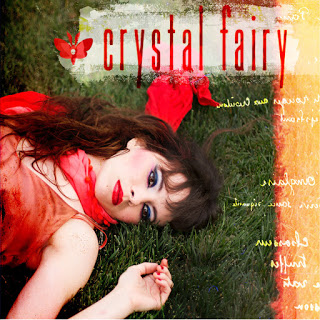
15). Crystal Fairy - "Crystal Fairy" (629)


14). Woe - “Hope Attrition” (660)


13). Weltesser - "Crestfallen" (711)


12). Grey Widow - "II" (720)


11). Dread Sovereign - "For Doom The Bell Tolls" (739)


10). Brutus - "Burst" (820)
9). Wiegedood - “De Doden Hebben Het Goed II” (924)


8). Psychedelic Witchcraft – “Magick Rites and Spells" (979)

  
7). Darkest Hour - “Godless Prophets & the Migrant Flora” (1011)


6). Death Alley - "Live At Roadburn" (1023)


5). Cult of Occult / Grim Van Doom - "Split" (1096)


4). Sleep - "The Clarity" (EP) (1437)


3). DOOL - "Here Now, There Then" (1439)


2). Unearthly Trance - "Stalking the Ghost" (1526)


1). Widows - "Oh Deer God" (1705)


A big thank you as always to our amazing writers, your dedication knows no boundaries and for that I am truly grateful. February’s  “Sour 16” features reviews by:  Victor Van Ommen, Ben Fitts, Theron Moore, Brandon Green, Charlie Butler, Chris Bull, Jake Wallace, Conor O’Dea & Grim Trashcan

Wednesday, 8 February 2017

ALBUM REVIEW & PREMIERE: Cult of Occult / Grim Van Doom - "Split"

By: Ben Fitts


Album Type: Split
Date Released: 15/02/2017
Label: Vendetta Records


Plump, earthy bass tones, ominous, cymbal-heavy drumming, hellishly guttural vocals and filthy guitar distortion are set to a tempo that makes Sleep look like a grindcore band. All of these elements remain constant throughout the twenty-two minutes of “Black Sea”, giving the song an endless, trance-inducing feel.  Grim Van Doom’s side of the album has very little fat on them; they are all lean, brutish works of harsh sludge that churn your stomach and make the marrow of your bones tremble.


Cult of Occult / Grim Van Doom DD//LP track listing:


1). CULT OF OCCULT - "Black Sea"
2). GRIM VAN DOOM – "Crimson"
3). GRIM VAN DOOM - "Interlude"
4). GRIM VAN DOOM - "Rust"
5). GRIM VAN DOOM - "Azure"


The Review:


The split album by the sludge bands Cult Of Occult and Grim Van Doom starkly contrast the two very different approaches that the two bands bring to the same genre. But, if anything, that contrast grabs the listener. Cult Of Occult’s half of the album is one, twenty-two minute long track titled Black Sea”. It rumbles like a distant demon patiently clawing its way out from hell, one massive handful of earth at a time. Plump, earthy bass tones, ominous, cymbal-heavy drumming, hellishly guttural vocals and filthy guitar distortion are set to a tempo that makes Sleep look like a grindcore band. All of these elements remain constant throughout the twenty-two minutes of “Black Sea”, giving the song an endless, trance-inducing feel.

The half of the album given to German quarter Grim Van Doom is rather different. Containing three songs and a brief interlude, Grim Van Doom’s side of the album is like a punch in the face from a spiked, steel gauntlet. While all three song’s on Grim Van Doom’s side of the album cross over the five minute mark, there is still a feeling of very little fat on them; they are all lean, brutish works of harsh sludge that churn your stomach and make the marrow of your bones tremble. Pungent tones grate against your eardrums as they doll out riffs that sound as if they had been written by someone who had spent the last two decades fuming at past transgressions and plotting revenge.

Having the music of these two different bands stacked side by side is an effective way of exaggerating the qualities of both. Both Cult Of Occult and Grim Van Doom create music that is firmly within the sludge metal sphere, so there is enough similarity for coherence. However, while each band grabs sludge by the throat, they do so from disparate angels. Cult Of Occult’s slithering journey through the abyss brings out the pounding, martial energy of Grim Van Doom, who in turn make the hellish sounds Cult Of Occult that much more vivid.


“Cult of Occult / Grim Van Doom” is available here


Saturday, 3 October 2015

The Sludgelord Sour 16 for September 2015

Welcome, all lovers of the riff, you know the deal by now, however for those of you that do not, let us recap.  Each month, you the reader are unwittingly compiling a list of the top 16 records of the month, covering all genres of metal, but predominately the best the doom, sludge, stoner-psychedelic genres have to offer.  Is it not a chart, in which reviewers or contributors extol their opinion about their favourite music, but simply, the Sour 16’ are the records you guys (readers) have been most interested in over the last month and checking out on this page.

So here is the The Sludgelord’s Sour 16’ for September 2015, the 16 records you’re most looking forward too or are currently checking out.  Dig in, spread the word and perhaps revisit some records you may have overlooked.  The results are compiled based on page views alone and calibrated into the list below. So without further ado, enjoy the Sour 16’. Roll up, kick back, chug a beer and Hail the riff! For more info click on the artwork. (Total views at the time of publication highlighted in red)

16). Slayer – ‘Repentless’ (271)

Overall, I would be confident in hailing this the best Slayer album for some time. It is certainly better than “World Painted Blood” and, for all its fury, “Christ Illusion” had no real staying power for me. It is not perfect by any means, and is perhaps a couple of tracks too long, but all in all, this is SLAYER. No sell out, no compromise, no change. Business, in fact, as usual.


14) = Wild Throne – ‘Harvest of Darkness’ (281)

Alongside the ingenuities and provocative pieces from ‘Blood Maker’ ‘I Of The Prism’ is another scintillating highlight. It’s brazen guitar work and searing vocal lines force a real sense of horripilation upon you, you don’t so much as listen to this as you do experience it. It’s structure is a labyrinth of crazed punk drumming, a really atmospheric but menacing ,reverb drenched instrumentation and enough melody to blind a unicorn.


14) =Fvnerals - ‘The Path’ (281)

There are not a lot of bands that are easily comparable to FVNERALS, as they effortlessly draw together various elements of such sounds as if Swans and My Bloody Valentine had a sleek, crooning child in an underground speakeasy.


13). Hangman’s Chair – ‘This is not supposed to be positive’ (292)

A record as powerful and as potent as this, cannot be ignored. An absolutely sterling effort, it stirs something within you like no other music can.


12). Venom Prison – ‘The Primal Chaos’ EP (295)

This is a nasty little EP from the South Wales mob- “Babylon The Whore” showing you what they are all about in its three and a bit minutes. Noise, blasts, grooves, feral production- it's all here.  This is a fine EP and if you have any interest in death, grind, hardcore, crust or any mixing of any of those sub-genres... you should hear this.


11). Iron Maiden – ‘The Book of Souls’ (316)

If you approach The Book of Souls with an open mind and accept the more bombastic moments, you will find a huge amount to enjoy. By my count, there are at least eight top notch tracks here. There may well be more, it is just that this is a genuine double album and has such scope and depth that it is hard to become familiar with it (perhaps concentrate on one disc or one slab of wax at a time?!). Eight out of eleven tracks rated as top grade is a fantastic tally. Still the Kings. Long may they reign.


10). Cult of Occult – ‘Five Degrees of Insanity’ (325)

An ominous amp hum builds before erupting into the gut churning opening riff of “Alcoholic”. What follows is a 15 minute onslaught of bleak sludge, harrowing vocals and an evil guitar tone Bongripper would be proud of. Cult of Occult employ repetition to great effect, playing each riff until breaking point before moving to the next.


9). Luna Sol – ‘Blood Moon’ (326)

Luna Sol has the material – the riffs, the attitude, and the songs – to be able to stand on their own two feet.  if you’re looking for some burly, tough, guitar driven, American rock music with inviting choruses and a strong sense of melody, then go ahead and slip this disc in your car’s CD player and go for a long drive.


8). Motorhead - ‘Bad Magic’ (353)

If this is to be the last album, then the band have added to their legacy, kept their powder dry once again and gone out all guns blazing. If it isn't, well the next one will be along in a couple of years and will no doubt give your ears a good hiding when it does. Still the best rock and roll band in the world, and as the man says, the last one you can trust until the end.


7). Hate Eternal – ‘Infernus’ (360)

There aren't many bands out there that can punish your ears with such consummate brutality, which is what Hate Eternal succeeds at doing from start to finish on this disc. Highlights? 'TheChosen Ones' has bewilderingly epic bass guitar work which is fully audible beneath the atonal guitar-mashings of main man Erik Rutan.


6). Sweat Lodge - ‘Talismana’ (371)

With such mean songwriting skills as is on display here it’s rather difficult to pick favourites. ’Talismana’ definitely brings stand-out tracks but the band with their strong sense of vision and penchant for killer riffs and catchy hooks all coated with stirring vocal melodies manages to blend it all into one cohesive whole. This is one superb debut from this Texan group and definitely one of this year’s not to be missed out on.


5). Snail – ‘Feral’ (440)

As far as tone and mood are concerned, “Feral” is far from untamed. To the touch, these eight cuts are smooth, the production doing what it needs to do to keep this beast domesticated. At the end of the day, though, this beast is hard to ignore, which is the justification for the album’s name.


4). Indian Handcrafts - ‘Creeps’ (444)

The consistency of the record is well, well above par too. Every song has its own unique character and sense of self. They never repeat the same formula or trick – they simply don’t need to rely on any form of cyclical cop out – and no track is starved of quality alongside the rest of the pack.


3). Belzebong – ‘Green Inferno’ (717)

‘Inhale in Hell’ honestly is just one massive slow chug fest, filling every available space with some ridiculous throbbing string torture with a sweet backing beat. It sounds akin to a giant walking the earth, simply moving things aside without noticing. True evil blues this band has summoned, and you the listener, shall reap their rewards! From that slow, massive chugging into feedback and staccato wah picking, they have no problems slamming you up against the wall and rifling through your pockets for some loose cash.


2). Uncle Acid and The Deadbeats – ‘The Night Creeper’ (1192)

“Horror films don't create fear. They release it,” – Wes Craven (1939-2015)


1). With The Dead – ‘With The Dead’ (1254)

It's evident that Bagshaw has acquired a few new fuzz pedals since the last Serpentine Path album as opening track 'Crown Of Burning Stars' is so oppressive, fuzzy and dense that it made my teeth itch. After the backwards speaking samples, the crunch of the guitar is incredible. The vocals are classic Dorrian and the bands sound on a whole is somewhere between Serpentine Path, 'Dopethrone' era Electric Wizard, early Cathedral and 'Misanthropic Alchemy' era Ramesses.  This for me is an album of the year contender, the kind of thing you'd expect from 3 of the scene's most influential figures. All expectation has been lived up to. Prepare to be blown away.


This list features reviews by, Chris Bull, Philip Weller, Hunter Young, Richard Maw, James Taylor, Victor Van Ommen, Charlie Butler, James Harris & Joosep Nilk